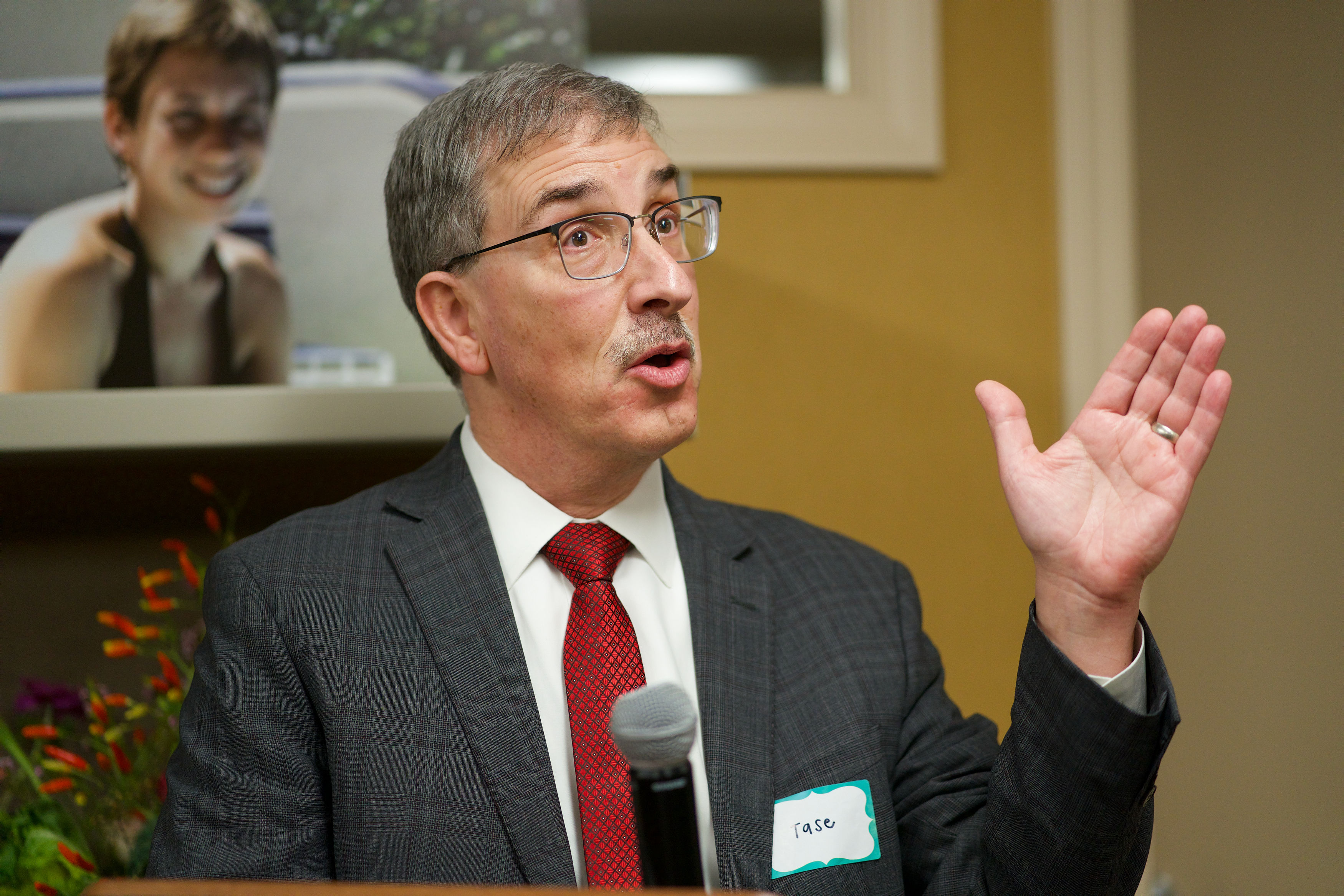
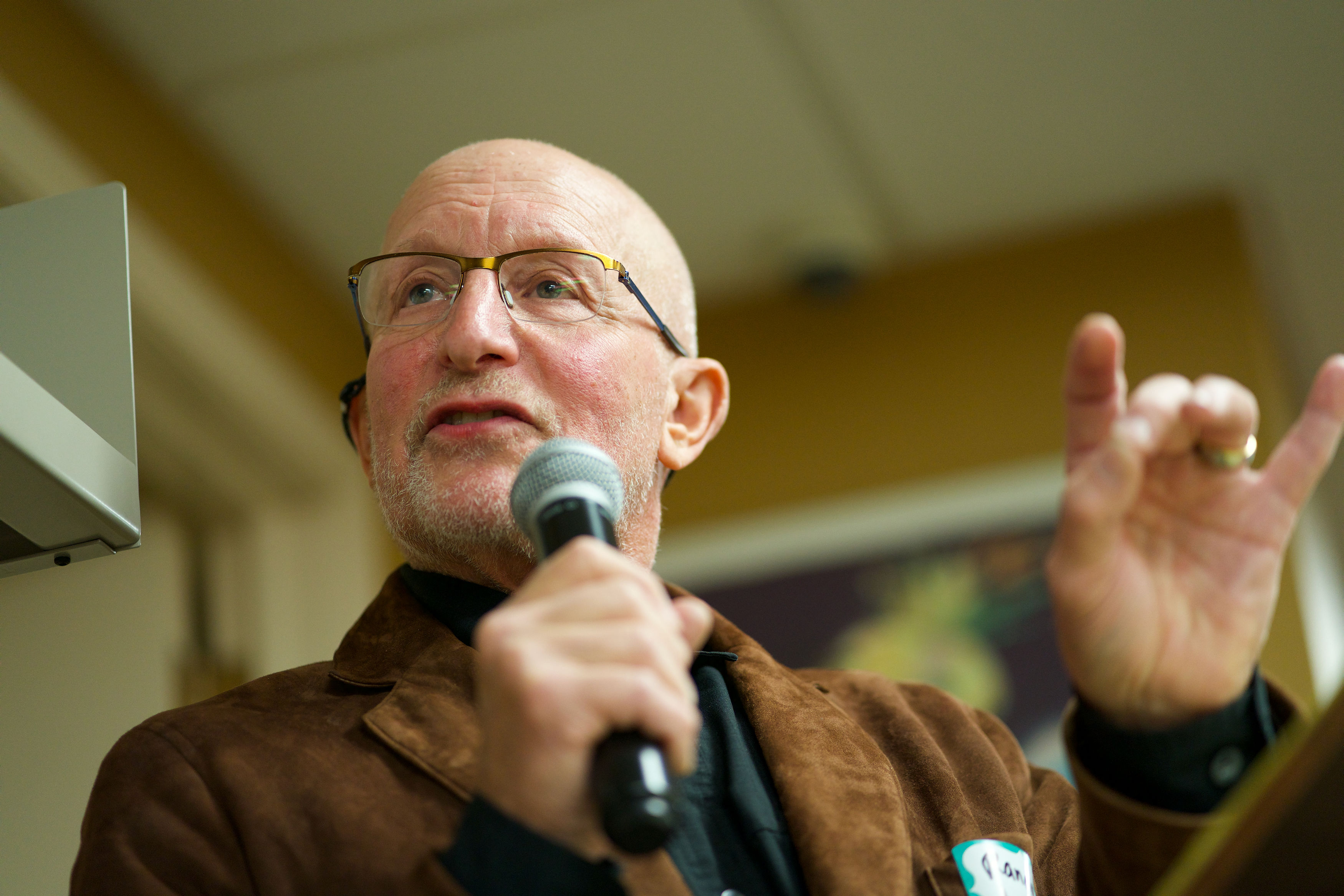
Randall S. Levine on Michigan’s Big Show
Attorney Randall S. Levine joined Michigan’s Big Show to discuss the Michigan Supreme Court’s decision ending the criminal cases against seven former public officials charged in connection with the Flint water crisis. Levine represented Rich Baird, a former adviser to Governor Rick Snyder and one of the seven defendants whose charges were dismissed.
Background
The Supreme Court left in place lower court dismissals of the charges, which had been thrown out after an earlier ruling found that the prosecution team appointed by Attorney General Dana Nessel improperly relied on a one-person grand jury to bring charges in 2021. The dismissals became final for Lyon, Wells, Ambrose, Earley, Agen, Baird and Peeler.
Even after the ruling, the Attorney General’s office continued to suggest the defendants were responsible for the crisis. Levine called those statements unfounded.
“You’re Presumed to Be Innocent”
“We have a constitutional form of government, first of all, where you don’t have to prove your innocence. You’re presumed to be innocent,” Levine said. “Richard Baird as well as the other defendants enjoyed that presumption. So to suggest now, after the Michigan Supreme Court has ruled, that they still aren’t innocent is somewhat ridiculous.”
A Grand Jury Process the Court Rejected
Levine explained that the prosecution chose a one-judge grand jury to avoid preliminary examinations. Michigan law guarantees defendants those hearings, and they give the accused the chance to confront and cross-examine witnesses under the Sixth Amendment.
“This was an old, archaic statute that was put into place for organized crime when there needed to be secrecy,” he said. “This was not that situation. We had public servants, people who had dedicated their careers to helping the public.”
He added that the Supreme Court’s decision reinforced the separation of powers: issuing indictments is an executive function, not a task for a judge.
A Political Prosecution
Asked whether the Attorney General’s continued statements were an attempt to save face, Levine was direct: “I think that’s an understatement. This has been a political prosecution from the outset.”
Can the Cases Be Revived?
Levine noted that statutes of limitations now bar many of the potential charges. He also said that any renewed attempt to prosecute would run into serious constitutional problems: “A ten-year, relentless pursuit of people without any newly discovered evidence would certainly be struck down as a violation of their rights to due process.”
Today, Randall S. Levine continues to defend clients facing serious criminal charges at Markou Montague Levine Defense in Kalamazoo.