
Recent Victories
Theft Crime Cases We Handle
Our Kalamazoo theft crimes lawyers offer a full range of legal services for clients facing theft-related charges across Southwest Michigan. Here are some of the types of cases we frequently take on.
Michigan Drug Laws and Penalties
Michigan organizes controlled substances into schedules that determine charge severity and potential sentences. Understanding these classifications helps explain why similar-seeming charges can carry vastly different penalties.
Retail Fraud
- Third degree (under $200): Misdemeanor; up to 93 days in jail, $500 fine
- Second degree ($200–$1,000): Misdemeanor; up to one year in jail, $2,000 fine
- First degree (over $1,000): Felony; up to five years in prison, $10,000 fine
Larceny
- Under $200: Misdemeanor; up to 93 days in jail, $500 fine (or three times the value of the property stolen)
- $200–$1,000: Misdemeanor; up to one year in jail, $2,000 fine (or three times the value of the property stolen)
- $1,000–$20,000: Felony; up to five years in prison, $10,000 fine (or three times the value of the property stolen)
- Over $20,000: Felony; up to 10 years in prison, $15,000 fine (or three times the value of the property stolen)
Home Invasion
- Third degree: Felony; up to five years in prison, $2,000 fine
- Second degree: Felony; up to 15 years in prison, $3,000 fine
- First degree: Felony; up to 20 years in prison, $5,000 fine
Embezzlement
- Misdemeanor charges: Brought for amounts under $1,000
- Felony charges: Brought for amounts over $1,000, with increased penalties for greater amounts.
Robbery
- Unarmed robbery: Felony; up to 15 years in prison
- Armed robbery: Felony; up to life in prison
Enhancement Factors That Increase Penalties
- Prior theft convictions
- Theft from a vulnerable adult or senior citizen
- Offenses committed in a dwelling
- Use of a weapon during the theft
- Value of property taken
Collateral Consequences Beyond Criminal Penalties
Being convicted of a theft crime in Michigan can have repercussions that go beyond prison time and fines. Your charges could also impact the following areas of your life.
Most employers screen for theft convictions on background checks. Jobs in finance, healthcare, education, and government are often unavailable to applicants with theft on their record, regardless of the circumstances.
Nurses, teachers, accountants, real estate agents, and other licensed professionals face disciplinary proceedings when convicted of theft-related offenses. We’ll coordinate your criminal defense with the defense of your professional license to protect your livelihood as well as your freedom.
Rental applications routinely screen for theft convictions, and federal housing programs carry additional restrictions that may keep those with a criminal record from securing housing.
Theft offenses classified as “crimes of moral turpitude” under federal immigration law can lead to deportation, denial of visa renewals, and bars to naturalization for non-citizens and legal residents.
Potential Defense Strategies in Theft Cases
When you work with a skilled theft crimes lawyer in Kalamazoo from Markou | Montague | Levine Defense, they might employ one or more of the following defense strategies to seek a favorable outcome to your case.
Fourth Amendment Rights
Under the provisions of the U.S. Constitution, the police need probable cause or consent to search your property. When searches are conducted unlawfully, whether during a traffic stop, at your home, or in your digital accounts, we file suppression motions to exclude the evidence obtained. Without that evidence, prosecutors often can’t sustain their case.
Lack of Intent
Most theft charges require proof that the defendant intended to permanently deprive the owner of their property. If that property was borrowed, seized during a dispute over ownership, or taken under a misunderstanding, intent is often the weakest part of the prosecution's case.
Questionable Eyewitness Identification
When trying larceny, robbery, and home invasion cases, prosecutors frequently rely on witness accounts. Our attorneys look closely at identification procedures, lighting conditions, viewing distances, and the reliability of witnesses’ memories to challenge IDs that may be less certain than prosecutors suggest.
Disputed Property Value
Theft charge levels in Michigan are determined based on the value of what was allegedly taken. Prosecutors sometimes inflate values to push charges into higher felony categories. We aren’t afraid to challenge their valuation methods and present independent appraisals when appropriate.
Chain-of-Custody and Evidence Problems
Physical evidence must be properly collected, preserved, and documented to be admissible in court. Issues like gaps in handling, improper storage, and documentation errors can support motions to exclude key evidence.
Ownership and Consent Disputes
When property disputes arise between family members, business partners, or former spouses, a theft charge may come down to contested facts. We analyze the underlying dispute to build defenses based on good-faith claims of ownership or permission.
Negotiated Resolutions and Alternative Sentencing
Not every case goes to trial. When the prosecution’s evidence is strong or the risk of a trial is high, we negotiate forcefully for reduced charges, diversion programs, and sentencing alternatives that preserve our clients’ records and help them avoid jail time. Michigan's first-time offender programs can be powerful tools in the right cases.

Meet Our Theft Defense Team
The efforts of our three attorneys are backed up by a full support team. When you choose Markou | Montague | Levine Defense, you’ll have access to a group of talented legal professionals who all know your case and are working toward the same outcome.

Anastase Markou
30+ Years of Criminal Defense
Sarissa K. Montague
18+ Years of Criminal Defense
Randall S. Levine
45+ Years of Criminal Defense




Our journey began in 1987, and since then, we have evolved to protect our clients' future, securing the best possible outcomes. We prioritize: custom strategies for every case, clear communication, and personalized attention.
Areas We Serve
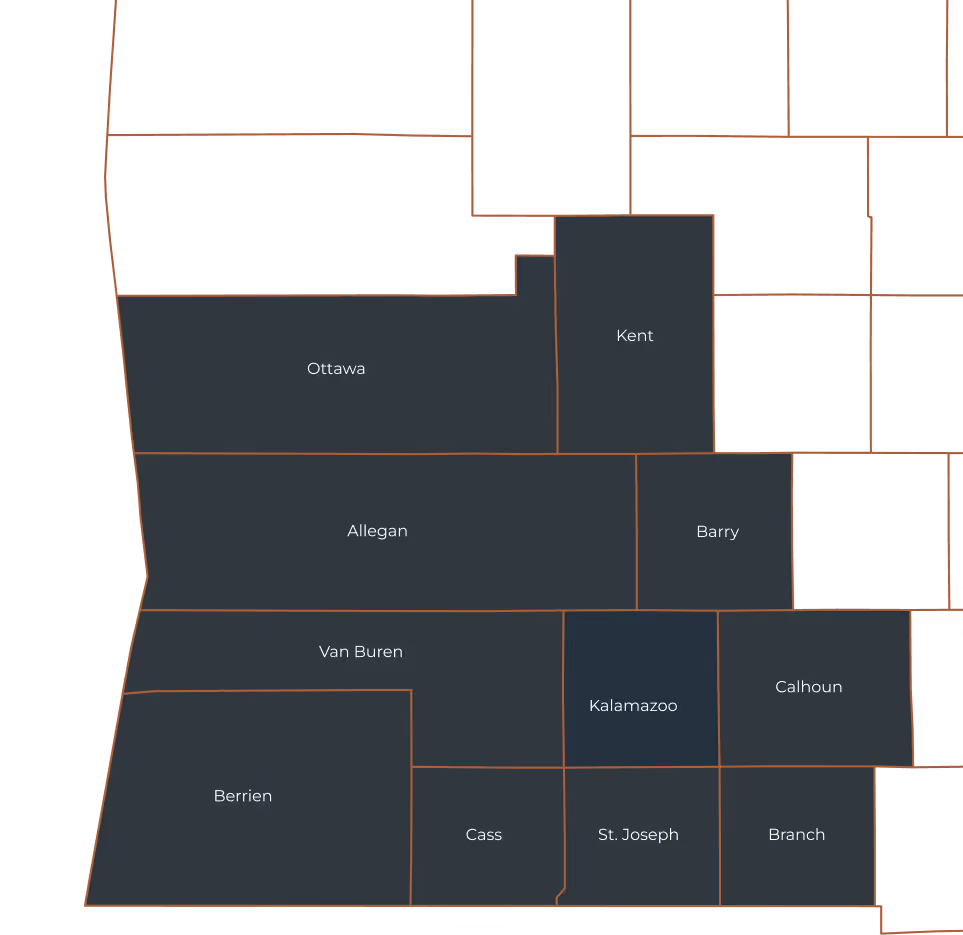
Based in Kalamazoo, our criminal defense team serves clients throughout Southwest Michigan:
Primary Counties:
- Kalamazoo County
- Van Buren County
- Allegan County
- Barry County
- Calhoun County
- St. Joseph County
- Branch County
- Cass County
- Berrien County
- and surrounding communities
Michigan Statewide Services:
- Driver's License Restoration (throughout Michigan)
- Professional Licensing Defense (throughout Michigan)

Your Future Is Worth Fighting For
The decisions you make in the days after a theft accusation can influence the entire course of your case. Don't let a theft charge follow you for life.
Contact Markou | Montague | Levine Defense today to get the dedicated legal advocacy you need in this challenging time.
Frequently Asked Questions About Theft Charges
Stay calm, exercise your right to remain silent, and contact an attorney before answering any questions. Statements made without legal counsel, whether to police or to security personnel, can become the most damaging evidence in theft cases.
Yes. Theft charges are frequently dismissed or downgraded because of illegal searches, insufficient evidence, unreliable witness IDs, and disputes regarding property ownership. Getting our attorneys involved early on will give us more opportunities to identify and act on those weaknesses.
For most theft offenses, the line is $1,000 — larceny and retail fraud become felonies above that threshold. Some offenses, like home invasion and robbery, are felonies regardless of the value of the property allegedly taken. Felony convictions carry longer sentences and far more severe long-term consequences.
Yes. Even a first-time misdemeanor conviction could cost you a job offer, your professional license, or your chances of finding housing. A lawyer may be able to secure a dismissal or diversion program that you can’t achieve on your own.
Yes. Many theft offenses are classified as crimes of moral turpitude under federal immigration law, which can trigger deportation and stand in the way of naturalization for non-citizens. For non-U.S.-born clients, we factor potential immigration consequences into our case strategy from the start.