Recent Victories
DWI and OWI Cases We Handle
Michigan law covers a range of impaired-driving offenses, each with different elements and penalties. Here are some of the charges we most often defend clients against.
Michigan OWI Laws and Penalties
Michigan's drunk-driving penalties increase with each offense and with the circumstances of the arrest.
First-Offense OWI Penalties
- Up to 93 days in jail
- Fines up to $500, plus court costs
- Up to 360 hours of community service
- Six points on a driving record
- 30-day license suspension followed by 150 days of restricted driving privileges
- Possible vehicle immobilization
- Possible ignition interlock requirement
Second-Offense OWI Penalties (Within Seven Years)
- Up to one year in jail (mandatory minimum five days)
- Fines up to $1,000, plus court costs
- 30 to 90 days of community service
- Minimum one-year license revocation
- Possible vehicle immobilization or forfeiture
- Possible ignition interlock requirement
Third-Offense OWI Penalties
- Felony conviction
- One to five years in prison, or probation with 30 to 180 days in jail
- Fines up to $5,000, plus court costs
- Minimum one-year license revocation (five years if the second offense was within seven years)
- Vehicle immobilization or forfeiture
- Habitual-offender license sanctions
Enhancement Factors That Increase Penalties
- BAC of 0.17% or above (super drunk)
- Minor passenger (under 16) in the vehicle
- Accident causing injury or death
- Prior OWI convictions
- Driving on a suspended or revoked license at the time of arrest
Collateral Consequences Beyond Criminal Penalties
An OWI conviction can create problems that last long after the sentence has been served and the fines have been paid. Here are some of the repercussions you could be looking at.
Even a first-offense OWI triggers mandatory restrictory suspension in Michigan. Multiple convictions can result in revocation. At this point, you must petition the Secretary of State and attend a formal hearing to get your license back, with no guarantee of success.
An OWI conviction typically results in dramatically higher insurance premiums, and some insurers may refuse coverage entirely. Moreover, the SR-22 filing requirement adds another layer of cost and administrative burden.
Background checks flag OWI convictions. Having a conviction on your record could automatically disqualify you for positions that require a valid driver's license, including commercial driving, healthcare, education, or government jobs.
Nurses, teachers, social workers, and others in licensed professions could face board investigations and disciplinary proceedings following an OWI conviction. This usually happens independent of the criminal consequences.
How DUI and OWI Cases Are Built (and Where They Fall Apart)
The prosecution's OWI case typically rests on three things: the traffic stop, the field sobriety tests administered, and the results of chemical testing. Each of these must meet specific legal and scientific standards and can be subject to challenge.
The Traffic Stop
Every OWI case begins with a traffic stop. The police must have reasonable suspicion of a traffic violation or criminal activity to pull a driver over. If the stop was based on something that doesn't meet that standard, such as ambiguous driving behavior, a stop that wasn't documented accurately, or an officer’s hunch, we’ll move to suppress everything that followed.
Field Sobriety Tests
The standardized field sobriety tests (the walk-and-turn, one-leg stand, and horizontal gaze nystagmus) are supposed to be administered following specific NHTSA protocols. When they're not, the results are unreliable.
Our Kalamazoo OWI defense lawyers examine how these tests are administered, the conditions under which they were conducted, and whether the administering officer was properly certified. Certain medical conditions, footwear, uneven surfaces, and anxiety can all affect performance in ways that have nothing to do with alcohol consumption.
Breath Testing
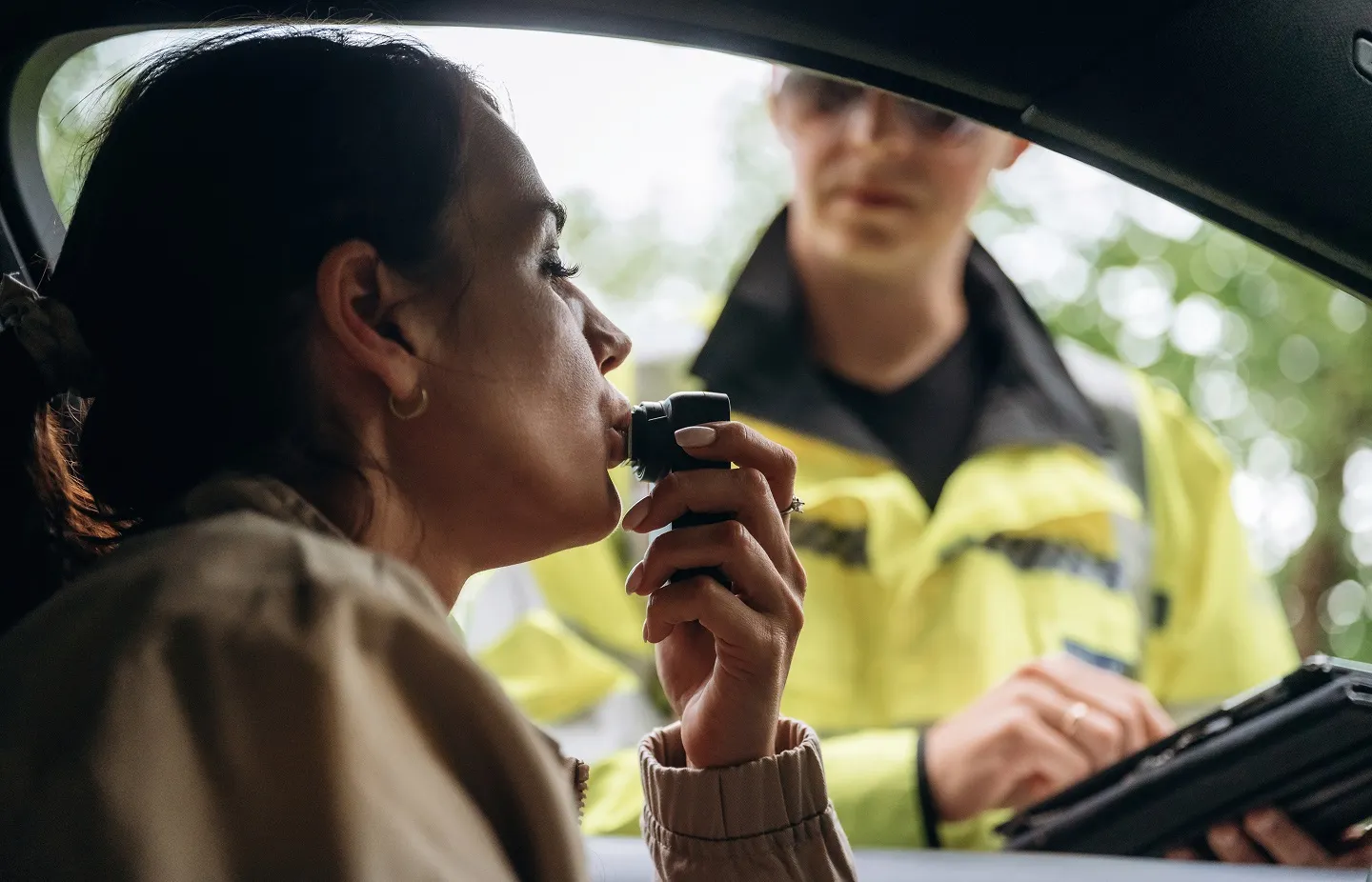
To provide trustworthy results, breath-testing devices require proper calibration, maintenance, and operation. We review calibration records, the operator's certification, and the testing procedure itself. If a device hasn't been properly maintained or an operator has failed to follow the required protocol, the results may be inaccurate.
Blood Testing
When blood is drawn after an OWI arrest, there are specific procedures for collecting, preserving, and testing the sample. Chain-of-custody issues, fermentation in improperly stored samples, and laboratory errors are all common issues. Our team can obtain and review lab records independently and question the findings when there are grounds to do so.
Potential Defense Strategies in DUI and OWI Cases
When you retain a trusted OWI defense attorney in Kalamazoo from Markou | Montague | Levine Defense, they might use any of the following defenses to push back against your charges.
If the initial traffic stop wasn’t based on reasonable suspicion, we can file a motion to suppress all evidence gathered after it. A successful suppression motion could result in the charge being dismissed entirely.
Our trained investigators will examine whether the officer who made the stop conducted the standardized tests correctly and whether their conclusions were actually supported by your performance. Officers are trained to see impairment anywhere it might show up. We look at what the evidence actually shows.
It’s possible to contest breath and blood test results through expert analysis, calibration records, and procedural review. If the testing process displayed clear deficiencies, we’ll demand that the results be thrown out as unreliable.
Charge levels can affect license sanctions, insurance repercussions, and long-term record implications in meaningful ways. When the evidence is in our client’s favor, we negotiate forcefully for reduced charges (impaired driving rather than OWI, for example) or diversion programs that avoid a conviction.

Meet Our DUI and OWI Defense Team
The efforts of our three attorneys are backed up by a full support team. When you choose Markou | Montague | Levine Defense, you’ll have access to a group of talented legal professionals who all know your case and are working toward the same outcome.

Anastase Markou
30+ Years of Criminal Defense
Sarissa K. Montague
18+ Years of Criminal Defense
Randall S. Levine
45+ Years of Criminal Defense




Our journey began in 1987, and since then, we have evolved to protect our clients' future, securing the best possible outcomes. We prioritize: custom strategies for every case, clear communication, and personalized attention.
Areas We Serve
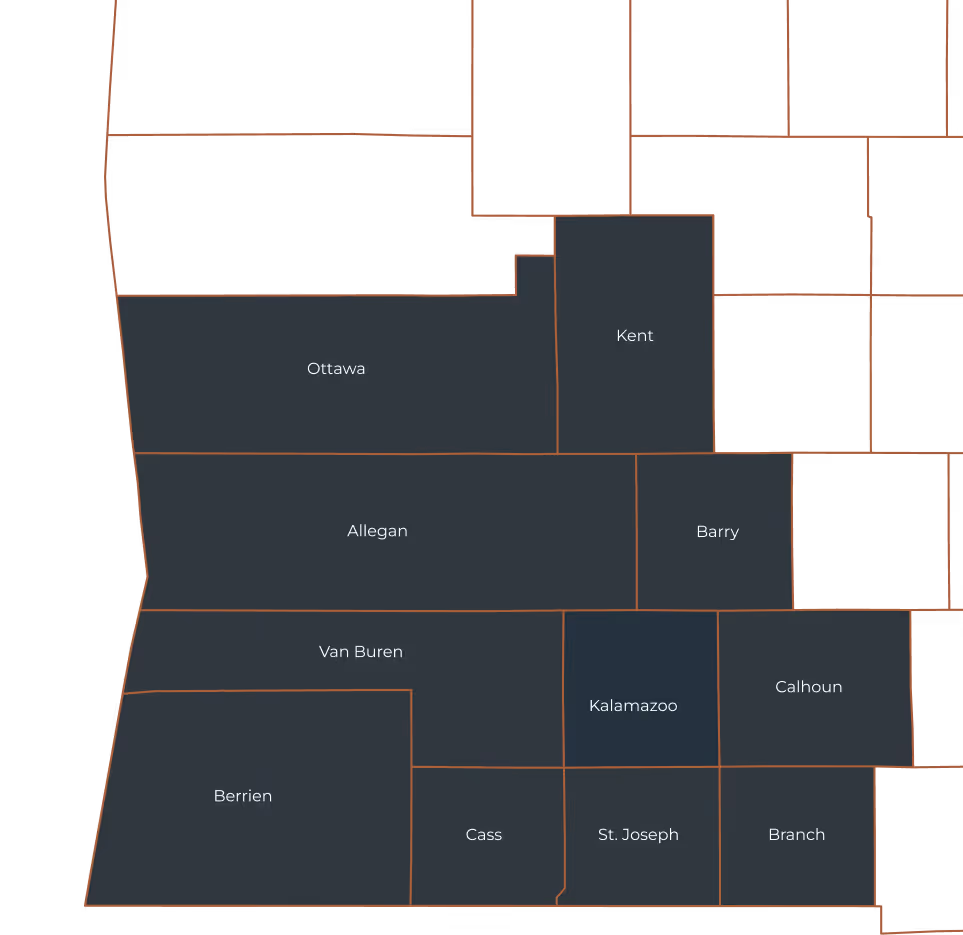
Based in Kalamazoo, our criminal defense team serves clients throughout Southwest Michigan:
Primary Counties:
- Kalamazoo County
- Van Buren County
- Allegan County
- Barry County
- Calhoun County
- St. Joseph County
- Branch County
- Cass County
- Berrien County
- and surrounding communities
Michigan Statewide Services:
- Driver's License Restoration (throughout Michigan)
- Professional Licensing Defense (throughout Michigan)

Don't Accept the First Result
A breath test and a police report aren’t the whole story. OWI cases have more moving parts than most people realize, which means more opportunities for a successful defense.
Reach out to Markou | Montague | Levine Defense today for a free, confidential consultation with a Kalamazoo OWI defense attorney. We’ll review your situation and explain your legal rights and options.
Frequently Asked Questions About DUI and OWI Charges
You can, but under Michigan's implied consent law, refusing will trigger an automatic license suspension (1 year for a first refusal, 2 years for a second refusal within 7 years). Prosecutors can also use the refusal as evidence against you in court.
Possibly. Michigan has an administrative license-suspension process that’s carried out separately from the criminal case. We can address potential licensing consequences alongside your criminal defense to minimize the time you’re off the road.
No. First-offense OWI charges are frequently dismissed or reduced through suppression of evidence, successful challenges to the BAC result, or negotiated resolutions. The outcome depends heavily on the specific facts of the stop and subsequent testing, which is why a thorough case review matters.
Many licensing boards require disclosure of criminal charges and convictions, and an OWI conviction can trigger an investigation or disciplinary proceeding independent of your criminal case. We always factor professional licensing into our defense strategy from the start.
First-offense OWI cases typically resolve within three to six months. Cases involving contested suppression motions, expert witness testimony, or trial will take longer, potentially up to a year or more. We keep clients informed at every stage so there are no surprises.