
Expungement and Record-Relief Cases We Handle
Michigan's Clean Slate laws, which passed in 2020, expanded eligibility for record relief starting in 2021. There are several mechanisms of expungement available depending on the offense. Here are some of the ways we help our clients achieve a clean slate.
Michigan Expungement Eligibility
In Michigan, eligibility for expungement depends on the type of offense, when it occurred, how much time has passed, and what else is on your record. The rules are complex, and a conviction that appears eligible on the surface may have a disqualifying factor that isn't obvious. Here are some of the key points you should be aware of.
Waiting Periods
The required waiting period runs from the later of the sentencing date or the date of release from incarceration or supervision. The current waiting periods are:
- Misdemeanors: Three years
- Felonies: Five years
- Multiple Felonies: Seven years
- OWI convictions: Five years
- Automatic expungement (misdemeanors): Seven years
- Automatic expungement (felonies): 10 years
Offenses That Can’t Be Set Aside
Not all convictions are eligible for expungement. Some of those that Michigan law currently excludes from expungement include:
- Traffic offenses (other than OWI, which has limited eligibility), particularly those resulting in injury or death
- Criminal sexual conduct (except fourth-degree convictions under limited circumstances)
- Child abuse
- Offenses carrying a maximum penalty of life in prison
- Domestic violence (second or subsequent conviction)
- Certain weapons offenses
- Human-trafficking
What Expungement Does
When granted, expungement sets aside the original conviction, meaning it’s removed from the petitioner’s public criminal history and most background checks. For most purposes, a person with an expunged conviction can legally say they haven’t been convicted of that offense.
However, expungement doesn’t affect certain government databases, and convictions set aside in Michigan may still appear in federal records or be considered in future criminal proceedings.
The Expungement Process
Understanding how the expungement process works can help clients set realistic expectations and prepare to submit their petitions. The steps typically unfold as follows.
The first step is a thorough review of the petitioner’s entire conviction history (in Michigan and any other state) to identify which convictions are eligible, whether there are any disqualifying factors, and what the correct waiting period is. This review informs everything that follows and is something our legal team does carefully before taking any formal steps.
The petition for expungement must be filed in the court where the conviction was handed down, with copies provided to the prosecutor, the Attorney General, and the arresting agency. It must include specific information about the conviction, the applicant's record, and the basis for the request.
A poorly prepared petition can result in a denial that could have been avoided. Our knowledgeable lawyers draft these documents with painstaking precision to avoid unwelcome outcomes.
Once the petition has been filed, the court will schedule a hearing, typically within 60 days. The prosecutor has the right to object, and the judge will consider the nature of the offense, the applicant's conduct since their conviction, their reputation in the community, and whether granting expungement is in the public interest.
We make sure clients are fully prepared for this hearing and focus on presenting evidence of rehabilitation that gives the judge what they need to say yes.
After expungement has been granted, we help our clients understand the finer points of the order, such as which databases may still retain the record and how to handle questions about prior convictions going forward. We also offer guidance on any subsequent actions needed to ensure that the record is updated across the relevant agencies and court systems.
How Expungement Changes Things
Clearing a conviction affects more than just the results of a background check. Here’s how formal expungement can change how people move through the world.
Employment
Many private employers conduct background checks, and a conviction, even an old one, can close doors before an interview happens. Expungement removes that barrier for most private employment and some government positions, giving clients access to opportunities that have been unavailable for years.
Professional Licensing
Licensing boards consider criminal history as part of their eligibility determinations. An expunged conviction changes what must be disclosed and, in many cases, removes the conviction as a basis for denial or disciplinary action.
Housing
Landlords routinely screen for criminal history, and public housing programs come with additional restrictions. Expungement can expand housing options for people who have been shut out of rental markets because of old convictions.
Immigration
Federal immigration law has its own standards for how state expungements are treated. That said, clearing a Michigan record can still affect how immigration authorities view an individual’s history in certain circumstances.
Personal Ramifications
People often describe the impact of expungement in terms that go beyond practical consequences: a sense of closure, the ability to answer questions honestly without fear, and the elimination of a stigma that has defined how they see themselves for years.

Meet Our Expungement Team
The efforts of our three attorneys are backed up by a full support team. When you choose Markou | Montague | Levine Defense, you’ll have access to a group of talented legal professionals who all know your case and are working toward the same outcome.

Anastase Markou
30+ Years of Criminal Defense
Sarissa K. Montague
18+ Years of Criminal Defense
Randall S. Levine
45+ Years of Criminal Defense




Our journey began in 1987, and since then, we have evolved to protect our clients' future, securing the best possible outcomes. We prioritize: custom strategies for every case, clear communication, and personalized attention.
Areas We Serve
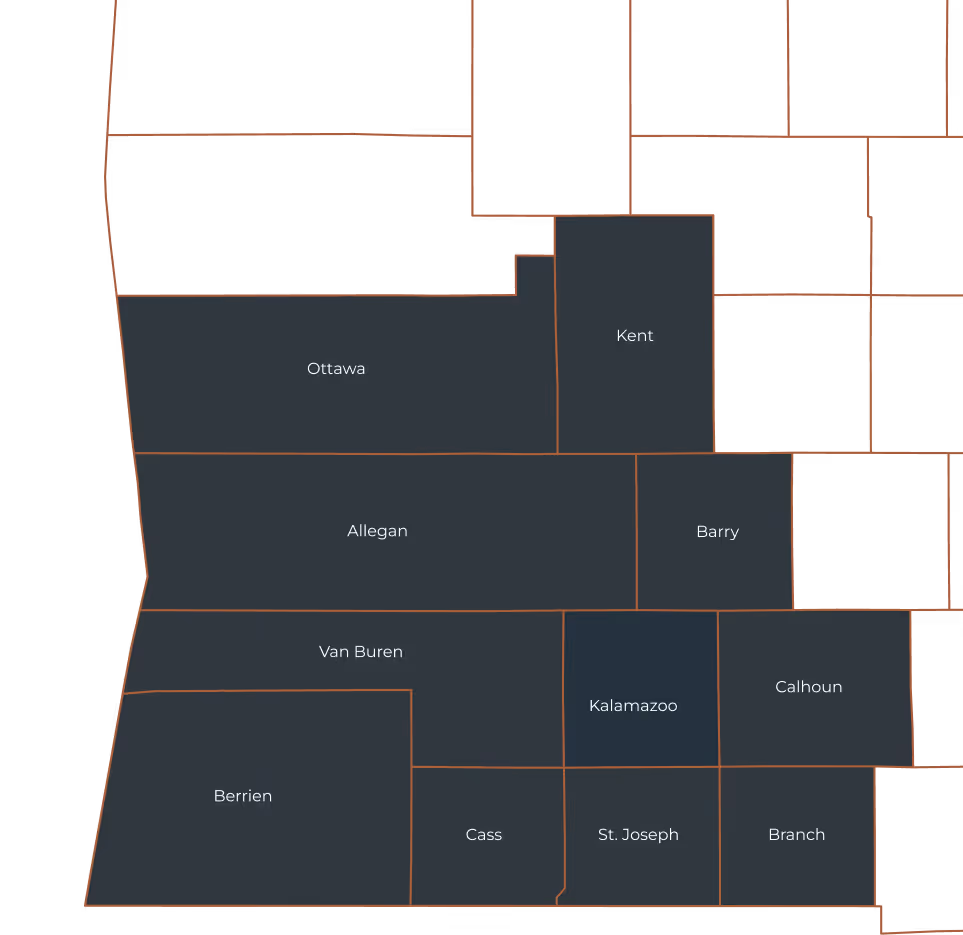
Based in Kalamazoo, our criminal defense team serves clients throughout Southwest Michigan:
Primary Counties:
- Kalamazoo County
- Van Buren County
- Allegan County
- Barry County
- Calhoun County
- St. Joseph County
- Branch County
- Cass County
- Berrien County
- and surrounding communities
Michigan Statewide Services:
- Driver's License Restoration (throughout Michigan)
- Professional Licensing Defense (throughout Michigan)

A Fresh Start May Be Closer Than You Think
If an old conviction is holding you back, a qualified attorney can inform you about whether it can be removed. Call now for a free consultation with a Kalamazoo expungement lawyer.
Frequently Asked Questions About Expungement
Your eligibility depends on the offense in question, the legally mandated waiting period, and your full criminal record. Certain offenses may have specific timeframes or conditions. A free consultation can help you understand whether you qualify.
Expungement removes a conviction from most Michigan public records and private background checks, but it may still appear in federal or law enforcement databases, which could be accessible to certain agencies.
Most felonies can be expunged after five years, provided you meet other eligibility requirements. However, some serious offenses, such as violent crimes, aren’t eligible for expungement.
A judge will review the petition, consider any objections from the prosecutor, and evaluate your conduct since the conviction. Our team can help prepare evidence of rehabilitation and community involvement to support your request.
Under Michigan law, expunging a felony usually restores the right to possess firearms, though federal laws may still impose restrictions. We routinely advise clients on how expungement can affect gun rights and any additional steps that may be needed.